Tucson Septic Solutions is the #1 septic in Tucson, AZ.
Our services include:
Septic tank pumping
Septic tank cleaning
Septic tank inspections (real estate inspections)
Septic tank repairs
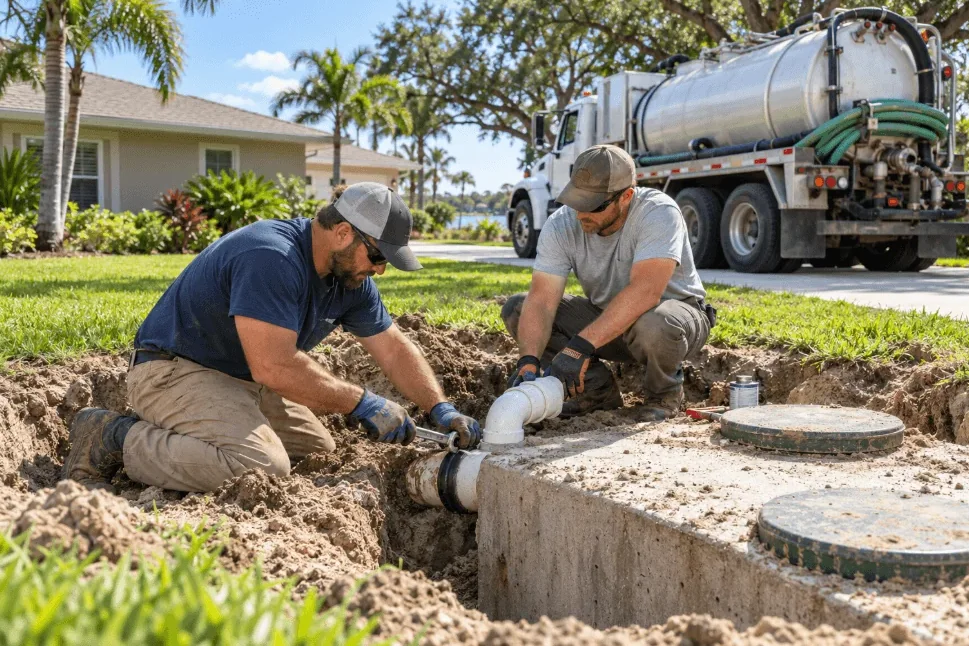
Septic tank installation and replacement
Drain field inspections
Drain field repairs
Drain field replacement
We have over 17 years of experience in installation, repairs and project management. Start with the cause, then choose the right service. We consider your tank, leach field and property records together. Desert soils, monsoon runoff and Pima County requirements can change the right repair or installation.
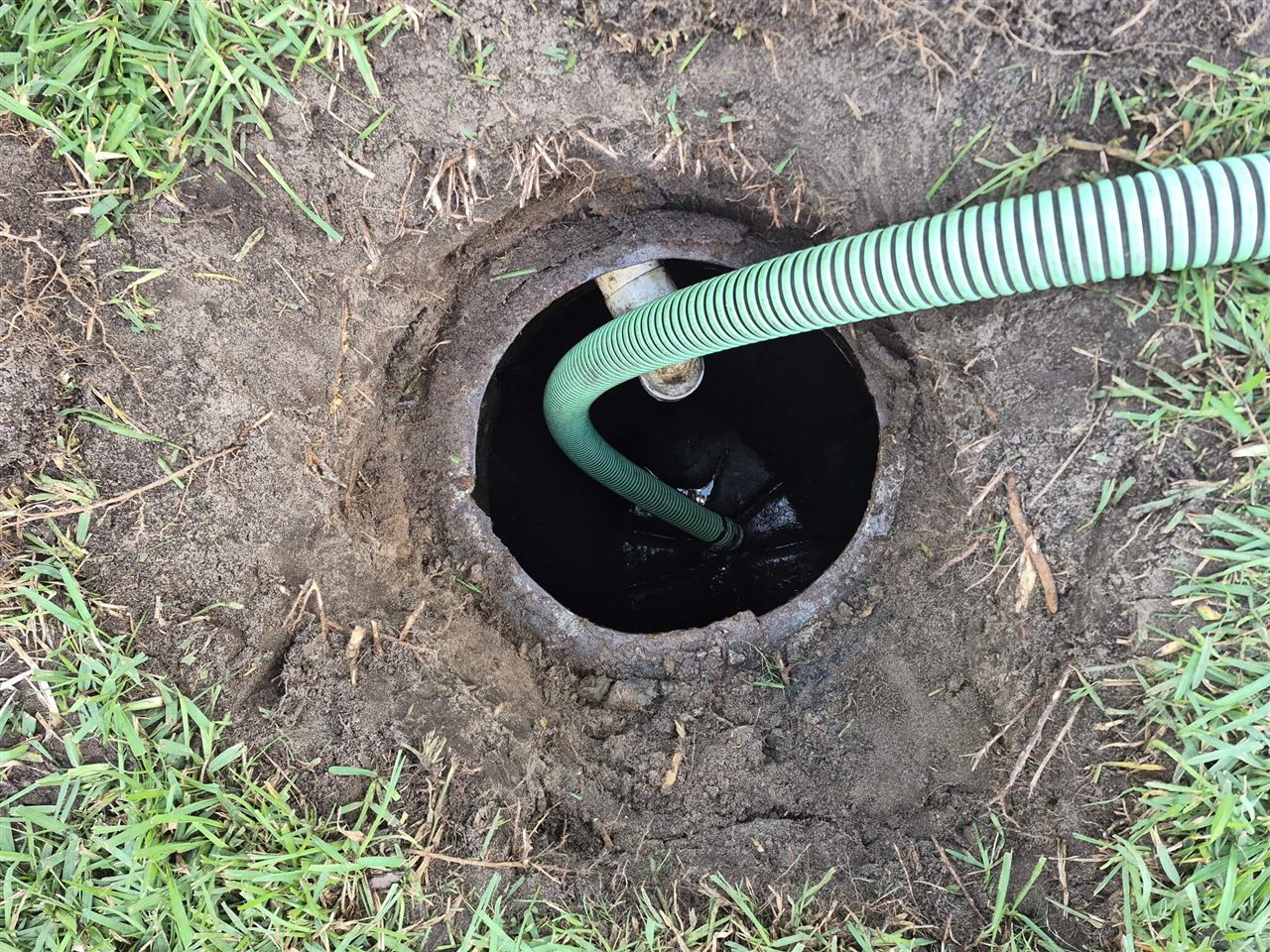
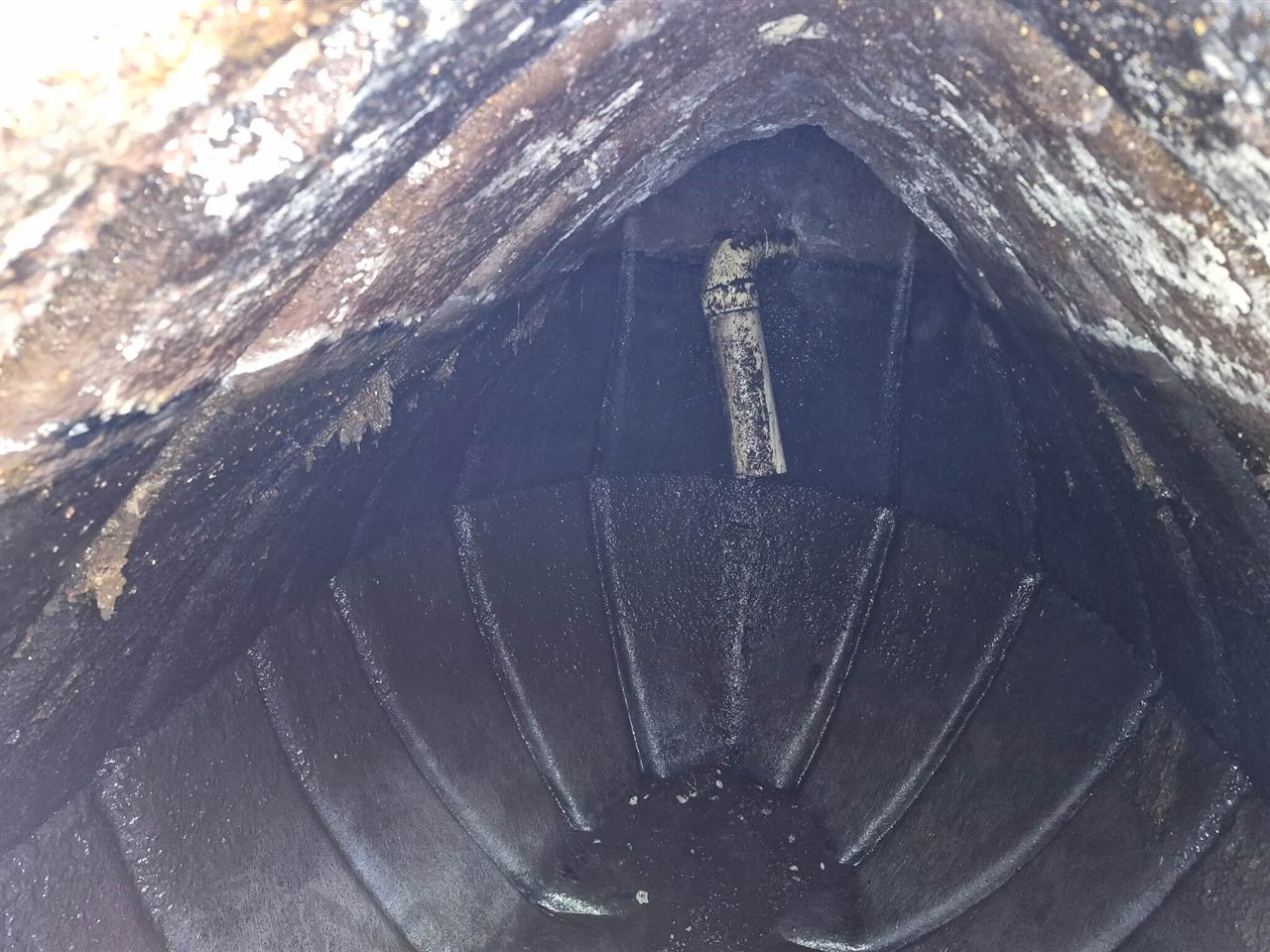
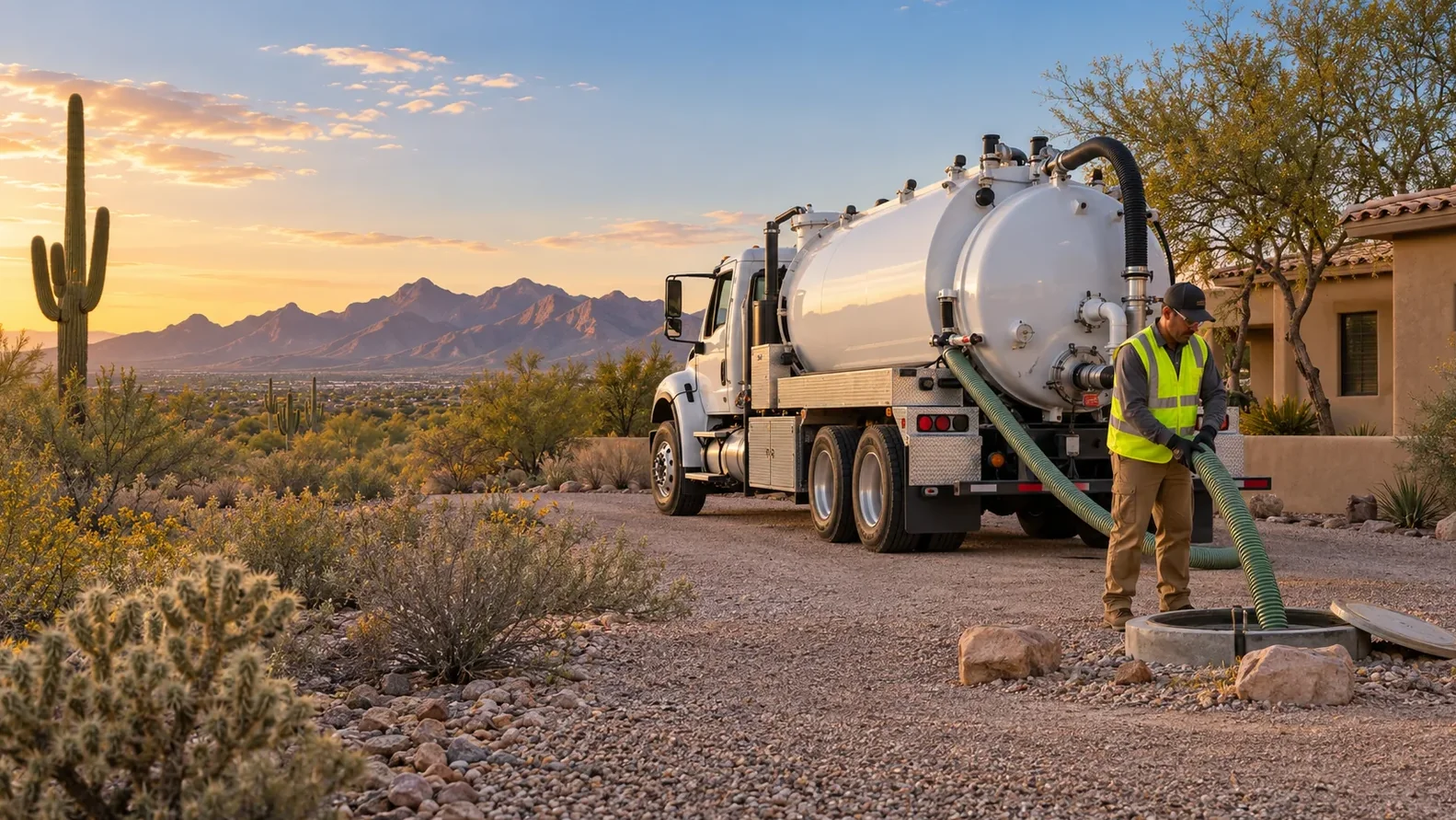
The homeowner contacted us after a backup revealed a full tank. Our job was to pump out the tank and clear the buildup from its sidewalls. Our work covered a full pump out of the approximately 1000 gallon fiberglass tank. We followed the pumping with a sidewall rinse to clear sludge and scum. We completed both parts of the work: an emptied tank and rinsed sidewalls. Future pumping still depends on household use and the condition of the system.
Cost
$475
Timeline to completion
2 to 3 hours
Concrete Septic Tank Replacement
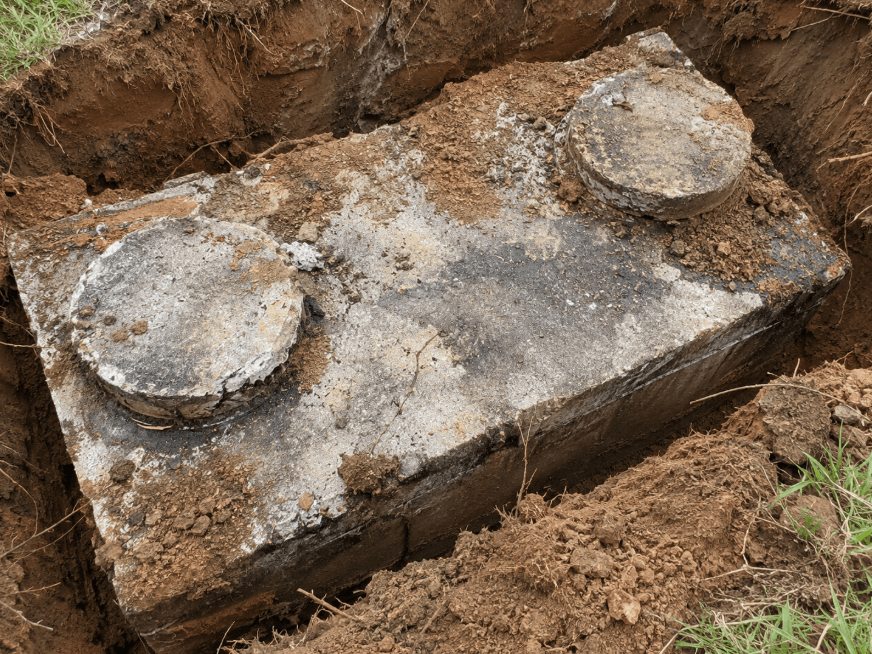
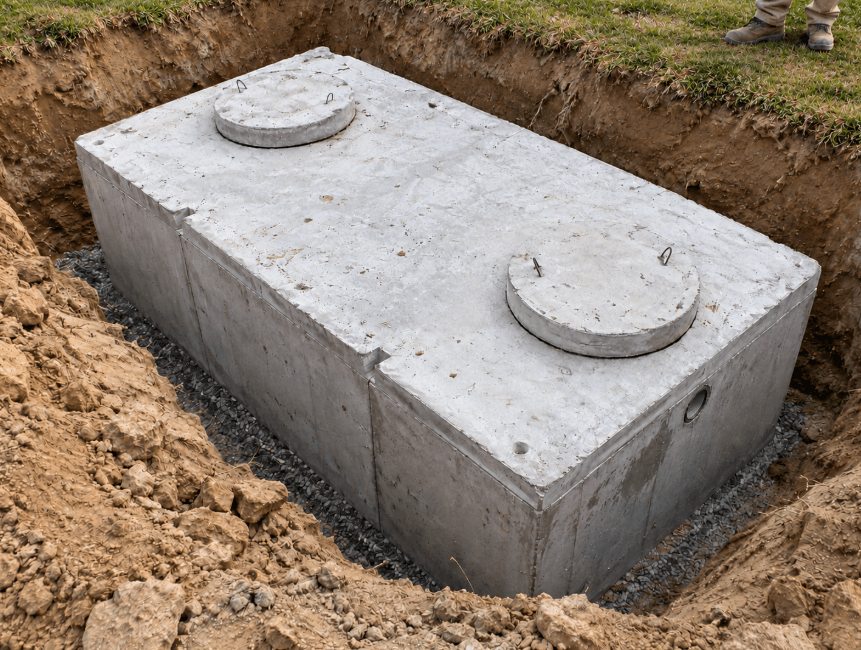
This customer needed to replace an aging septic tank that was beyond its expected lifespan. The work focused on replacing the tank itself. We carried out the tank replacement using a concrete unit with 1000 gallons of capacity. This replaced the aging tank identified in the project. The completed project replaced the old unit with a 1000 gallon concrete septic tank. We delivered the tank replacement the homeowner had arranged.
Cost
$9,915
Timeline to completion
3 to 5 days excluding permitting
Residential & CommercialTank & Drain Field ServicesProperty Specific Quotes
Why Choose Tucson Septic Solutions?
01Local in Tucson
02On time repairs and installations, including emergency service 24 hours a day
Use the actual installed record for pumping. For a new single family design, bedrooms and fixture units set the starting requirement. No reliable measured average of Tucson's installed tanks was found.
Arizona minimum single family examples, R18-9-A314(A)(4)
Bedrooms
Fixture units
Minimum tank
Design flow
2
14 or fewer
1,000 gal
300 gal/day
3
21 or fewer
1,000 gal
450 gal/day
3
More than 21
1,250 gal
600 gal/day
4
28 or fewer
1,250 gal
600 gal/day
4
More than 28
1,500 gal
750 gal/day
5
35 or fewer
1,500 gal
750 gal/day
Fixture units are weighted plumbing counts, not the number of bathrooms: for example, a toilet using 1.6 gallons per flush counts as 3 units and a shower as 2. Tank gallons describe storage; design flow describes daily demand. Commercial uses and alternative treatment need their own calculations.
Materials and service life
Concrete
Heavy and rigid. Plan lifting access and inspect covers, walls and seams.
Fiberglass
Lighter to position. Support, backfill and fittings must suit the approved model.
Polyethylene
Lightweight molded plastic. Correct burial and backfill help prevent distortion.
The tank shell, field and pumps age differently. Material alone does not set a replacement date; inspect condition and follow the approved maintenance plan.
Conventional or alternative?
A conventional system uses a tank and a suitable soil disposal area, such as trenches or chambers. Restrictive soil, rock, groundwater or limited space may require an alternative design. A larger tank alone does not fix an unsuitable leach field.
The county site investigation determines what fits. Some advanced systems add pumps, controls and ongoing maintenance obligations.
Pima County permits, in plain English.
01 · Investigate & design
Check sewer availability and records. Prepare the site investigation, layout, design flow and disposal calculations.
02 · Get construction approval
Submit the county application package, resolve corrections and pay invoiced fees. Wait for Construction Authorization before work.
03 · Inspect & authorize use
Complete the required inspections, testing and final paperwork. Obtain Discharge Authorization before burial and use.
What to prepare: site plan, tank and field locations, buildings, wells, utilities, setbacks, topography, design report, materials list and maintenance plan. Confirm the current submittal route with Pima County Development Services.
How long? The standard single 4.02 state licensing framework lists 73 business review days: 42 for completeness and 31 for substantive review. This is a regulatory framework, not a quoted Pima wait. Applicant response time is separate; holds, alternative features, other reviews and extensions can affect timing. Site testing, design, construction and final inspection add project time.
Ask for the current queue and applicable permit category before choosing an installation date. General building review targets are not a septic approval promise.
What changes the plan in Tucson?
Caliche & rock
Restrictive layers can change excavation and wastewater movement. Evaluate the actual soil profile.
Monsoon runoff
Tucson averages 10.61 inches of rain a year, with wetter summer months. Keep roof runoff and excess irrigation away from the field.
Washes & usable space
Wells, slopes, drainage features and reserve areas matter. A dry surface or large lot does not replace testing.
Buying or selling a septic property?
A qualified transfer inspection must be completed within six months before closing. Pima requires the seller's inspection report submission before transfer; the buyer submits a Notice of Transfer within 15 calendar days after transfer. Confirm the current forms and fees.
Missed pumping can let sludge clog the leach field.
Too much wastewater
Leaks and heavy daily use can overload the approved design.
Wipes, grease and chemicals
These can block pipes and interfere with treatment.
Stormwater reaches the field
Monsoon runoff and irrigation can saturate the disposal area.
Roots and heavy vehicles
Roots damage lines; traffic compacts soil and can crush parts.
Worn parts or added demand
A failed pump, neglected filter or extra bedroom can push the system beyond its design.
Septic Care: Do This. Skip That.
Do
Keep inspection, pumping and permit records.
Fix running toilets and spread laundry across the week.
Keep lids secure and the service area accessible.
Follow the maintenance plan for treatment equipment.
Don’t
Flush wipes, even those labeled flushable.
Pour grease, solvents or harsh chemicals down drains.
Park, pave or drive heavy equipment over the field.
Assume additives or another pump out fix a failed field.
Septic Questions, Clear Answers
Practical answers for Tucson homes and businesses.
What is the average septic tank size in Tucson?
No reliable local measured average was found. Useful Arizona residential examples are 1,000, 1,250 and 1,500 gallons. Bedrooms and fixture units determine the required capacity; check your installed tank record.
Does square footage determine septic tank size?
Not by itself. Arizona uses bedroom count and fixture units for single family sizing. The leach field also needs a suitable soil and site design.
How often should a tank be pumped?
Many households use a starting interval of 3 to 5 years. Actual solids, tank size and occupancy determine the schedule. Advanced equipment may need more frequent inspection.
Who approves a new septic system?
Pima County administers the local process under Arizona rules. Construction Authorization comes before work; Discharge Authorization comes after inspection and before burial and use.
How long will approval take?
Request the current Pima queue. The standard single 4.02 state licensing framework is 73 business review days, with holds and extensions possible. Testing, design, construction and inspection are separate.
Does a home sale require an inspection?
Yes. A qualified inspection must occur within six months before transfer. Follow the county report submission process; the buyer files the Notice of Transfer within 15 calendar days after transfer.
Can desert soil still have drainage problems?
Yes. Restrictive layers, rock, monsoon runoff and excess irrigation can affect field performance. Site testing is more useful than assuming dry ground always drains well.